
Precision CNC Turning for Series Production
SABNER specializes in series-production CNC turning of small, precision metal parts from bar stock. We carry out B2B projects for diameters of Ø0.5-12 mm and part lengths of 1-150 mm, with a minimum annual demand of 10,000 pieces per component.
We prepare production based on the customer’s documentation and materials, such as 2D drawings, 3D models, specifications, or samples for analysis. The feasibility of the part, possible tolerances, lead time, and price are confirmed only after evaluating the specific project.
Send an inquiry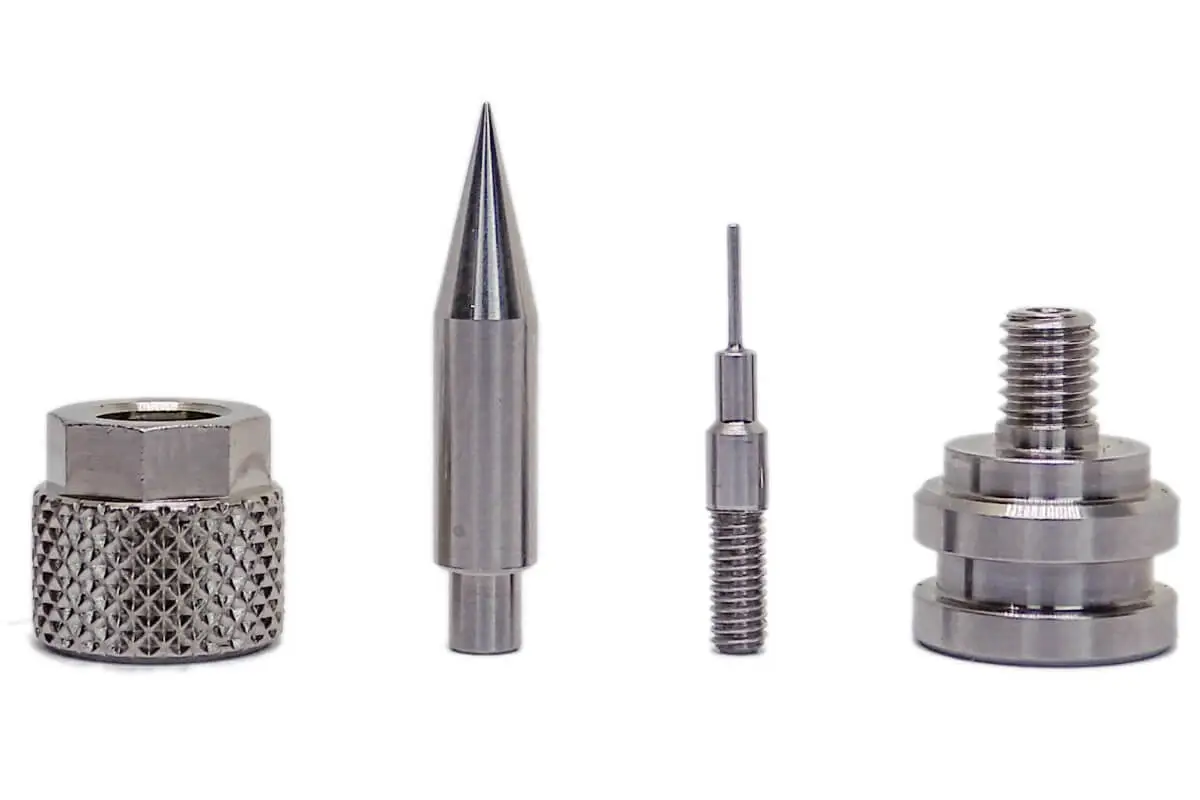
Does the project fit SABNER’s series-production CNC turning range?
The basic suitability of a design can be assessed based on four criteria. If all are met, it is worth submitting the documentation for a technical analysis:
The part is intended to be machined from bar stock, and its geometry is suitable for CNC turning.
The dimensional range falls within a diameter of Ø0.5–12 mm and a length of 1–150 mm.
The planned demand is at least 10,000 pieces per year per component.
Data is available to evaluate the design: 2D drawing, 3D model, specification, or sample, as well as information on the planned volume.
Meeting these criteria does not automatically guarantee feasibility. Before providing a quote, we analyze the geometry, material, critical features, required tolerances, inspection methods, and any additional design requirements.
Precision Metal Machining in the Field of CNC Turning
Precision machining is a broader concept than the actual scope of SABNER’s services. Our own production offering in this area is clearly defined: we specialize in series-production CNC turning of metal parts from bar stock.
Therefore, terms used in the market such as “precision CNC machining,” “precision metal machining,” or “precision metalworking” are applied on this page exclusively to the scope of services provided by SABNER using CNC turning technology, and not to a general catalog of machining methods.
In turning, the shape of the part is formed by the controlled removal of material from a rotating bar, and the machining process is numerically controlled. The process is designed for the repeatable production of small parts whose geometry can be consistently achieved using turning technology.
More about the technology: Swiss-type CNC turning
We do not offer milling, grinding, honing, or polishing as standalone services to customers. If it is not clear whether a part can be produced by turning instead of using another technology, we evaluate this based on the documentation before confirming feasibility.
What parts and materials are suitable for precision turning?
SABNER focuses on small metal turned parts manufactured in series from bar stock. The type of part, material, and requirements must be considered together – a dimension falling within the basic range alone does not necessarily determine feasibility.
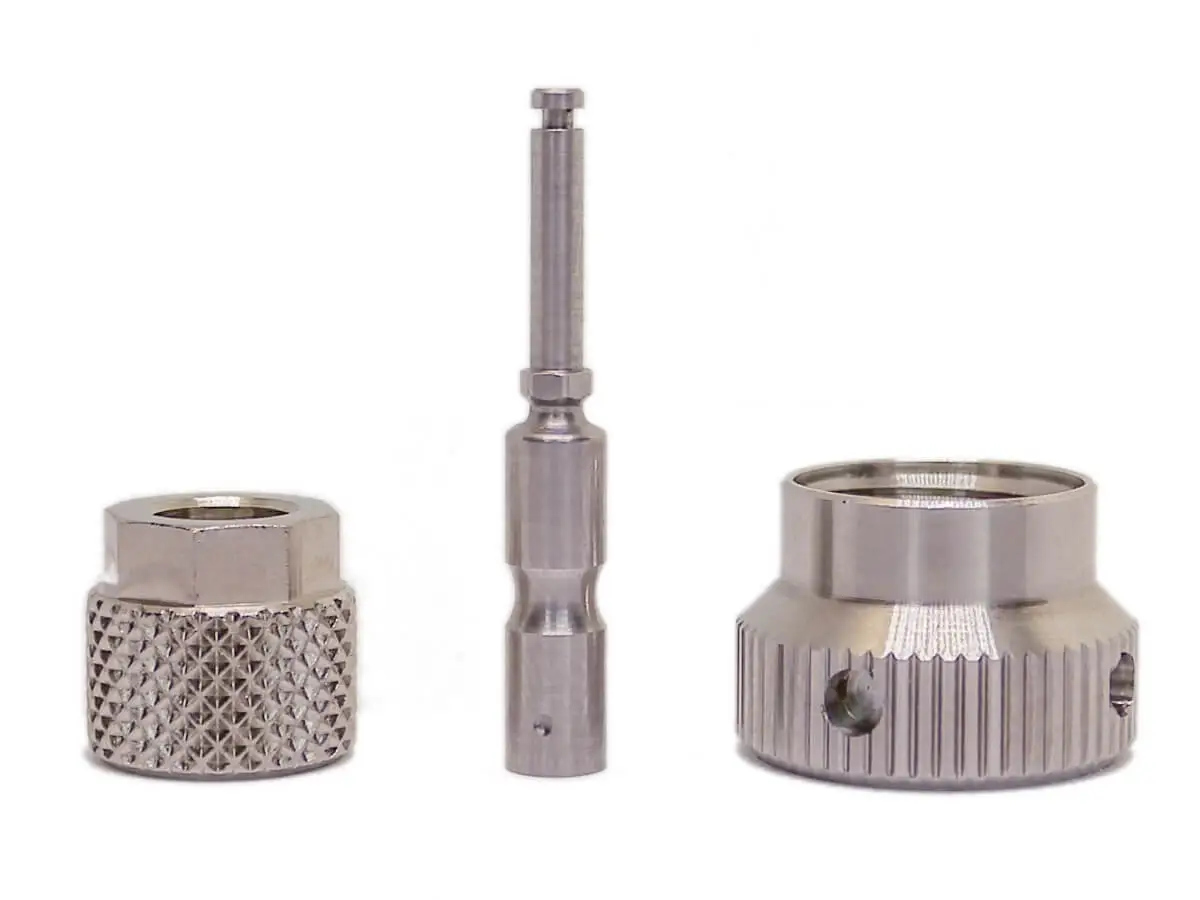
Typical geometries of turned parts
Typical groups of components that may be suitable for series-production CNC turning include:
- sleeves and bushings
- pins and pivot pins
- shafts
- inserts
- threaded components
- other small components with geometries suitable for turning from bar stock
This list is provided as an example and is not an exhaustive catalog of possibilities. Each part is evaluated based on the documentation and project requirements.
Materials Machined in Series-Production CNC Turning
In this offering, the main material groups we specify are:
Additionally, we carry out projects using brass and aluminum. SABNER’s material range is broader and also includes other material groups listed in the company’s offerings; however, we can only confirm the feasibility of manufacturing a specific part from a particular material grade after analyzing the documentation, geometry, and quality requirements.
B2B Projects Across Various Industries
SABNER’s series-produced turned parts are used in projects in the automotive, medical and dental, aerospace, electronics and electrical engineering, hydraulics and pneumatics, and machinery and automation industries. Project fit, however, is determined primarily by the component’s technical requirements and production profile, not by the customer’s industry alone.
Order Fulfillment Process for Series-Production CNC Turning
In series production of precision parts, machining itself is only one stage. At SABNER, “precision manufacturing” means preparing and running a repeatable CNC turning process in accordance with the customer’s documentation, from project analysis and agreement of requirements through inspection and batch release.
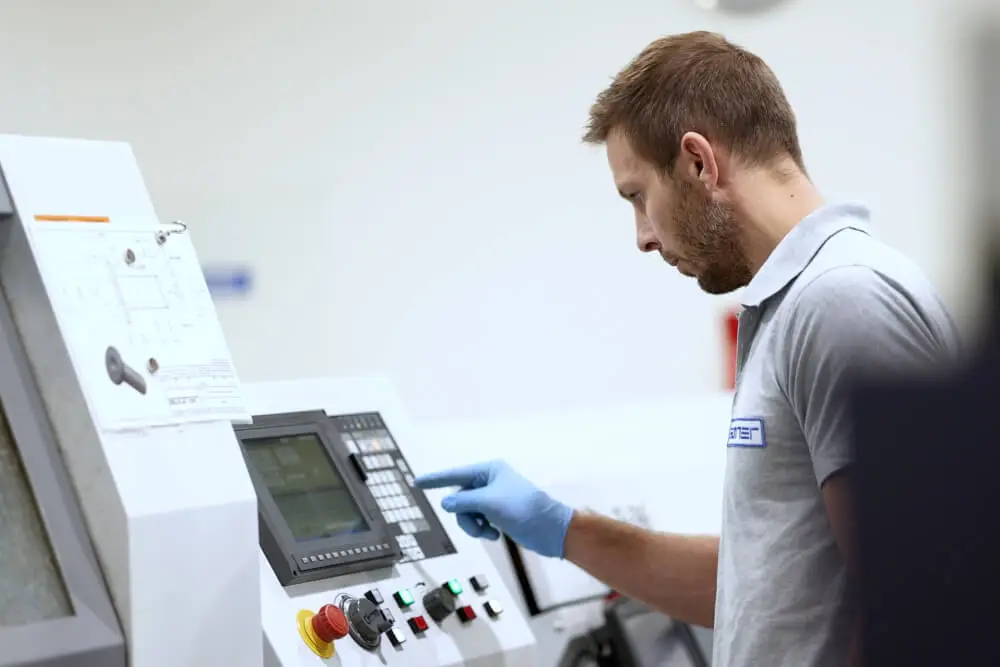
The process is organized to clarify technical requirements, manufacturing methods, and quality control before the series production begins. The specific workflow depends on the project, but a typical sequence includes:
Inquiry and preliminary qualification.
We verify the completeness of the data, the project’s fit with series-production CNC turning, and the minimum annual volume.
Feasibility analysis and quote.
Based on the documentation, we identify the technical assumptions and risks necessary to prepare a quote. The price, delivery date, and feasibility are confirmed for the specific project.
Clarification of requirements.
After accepting the order, we organize the documentation and agree on the critical-to-quality (CTQ) characteristics and other requirements. The agreed-upon scope forms the basis for process preparation.
Process and inspection plan preparation.
The manufacturing process is developed, the required resources are secured, and an inspection plan is created specifying what will be verified and at which stage.
First-Off and validation.
Once the workstation is prepared, the first part is produced and the required characteristics are inspected. If the project requires broader validation, this stage may include samples or a small batch before series production.
Series production and in-process inspections.
Once the process is released, series production begins and inspections are carried out according to the agreed plan.
Final inspection and batch release.
Upon completion of production, the batch undergoes a final verification before packaging and shipment.
Validation Samples Before Series Production
If a project requires confirmation of the part or process before full launch, the order may include samples or a small validation batch. This stage is used to verify the agreed geometry, critical characteristics, material, and inspection method before moving to series production.
We do not treat samples as a separate one-off prototyping service. They are part of implementing a project whose objective is subsequent, repeatable series production.
How Is Quality Controlled in Series Production?
Quality control is planned as part of the production process, not merely as a final inspection of the finished batch. The scope of inspection and documentation is tailored to the requirements of the specific project.
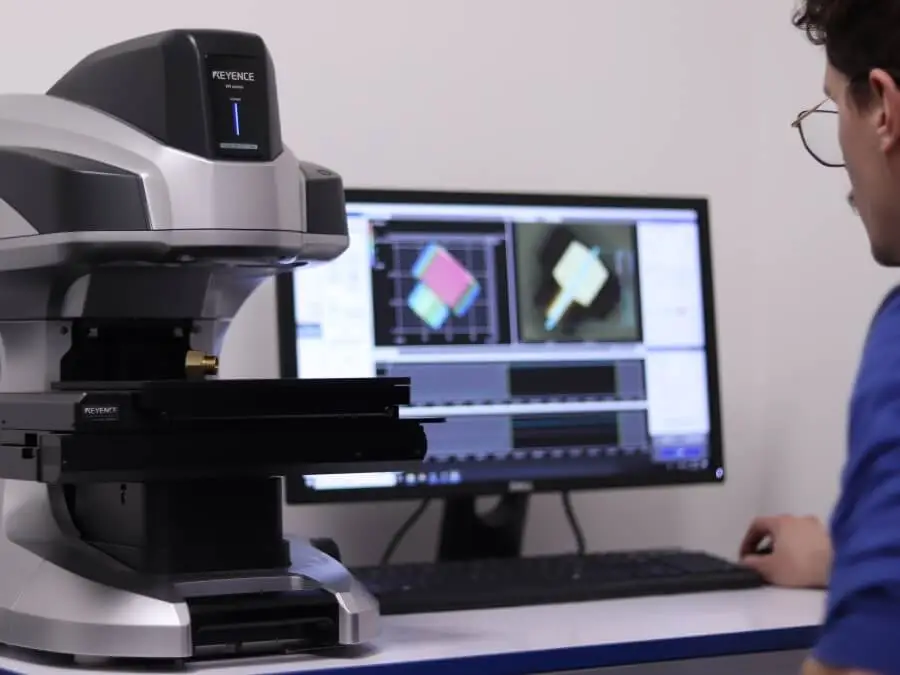
Once the requirements have been agreed, Critical-to-Quality (CTQ) characteristics are identified and a Control Plan is prepared. Incoming material is identified and undergoes incoming inspection. A First-Off is performed before series production is released, and inspections are carried out according to the plan during production. The finished batch undergoes final inspection and release before shipment.
This does not automatically mean a 100% inspection of every part or a single, fixed scope of documentation for all orders. The measurement method, inspection frequency, and required reports are determined based on the customer’s documentation and the risks specific to the project.
What should you submit for project analysis and quoting?
To begin the analysis, send us information that clearly describes the part and the planned scope of cooperation. The more complete the input information, the easier it is to assess feasibility and prepare a quotation for series production.
Based on this information, we can assess whether the project fits series-production CNC turning. Final confirmation of feasibility, tolerances, lead time, and price follows analysis of the specific inquiry.
2D technical drawing – preferably including dimensions, tolerances, material, and quality requirements.
3D model, if available – this can facilitate geometry analysis but does not replace the requirements specified in the 2D drawing.
Technical specifications or other design requirements, if not included in the drawing.
Planned annual volume for the component and, if known, the expected batch size.
Information about critical features or critical tolerances and the required quality documentation.
A sample of the existing part, if complete documentation is not yet available and the sample is to serve as a starting point for analysis.
When might a project not be suitable for this process?
SABNER is not a general machine shop for one-off jobs. Our core offering is series-production CNC turning of small metal parts from bar stock. A project may not fit this process in particular when:
the part diameter falls outside Ø0.5-12 mm or the length falls outside 1-150 mm;
the planned demand is below 10,000 pieces per year per component and the project is not intended for series or repeatable production;
the primary requirement involves milling as a standalone service or another process that is not series-production turning from bar stock;
the order is a one-off workshop job with no prospect of subsequent series production;
upon analysis, the geometry, material, or quality requirements prove unsuitable for a stable CNC turning process.
Even a project that falls within the basic dimensional and volume ranges requires an analysis of the documentation. The criteria listed are used for preliminary qualification and do not automatically guarantee that the order will be fulfilled.
Frequently Asked Questions About Precision CNC Turning
Do you perform both CNC turning and milling?
No. SABNER’s own production offering focuses on series-production CNC turning. Milling is not offered as a standalone service. If we need to determine whether the part geometry can be produced by turning, we analyze the project documentation.
What dimensional tolerances can you achieve?
We do not state one universal tolerance guaranteed for all parts. The ability to maintain a specific tolerance is assessed for the specified dimension, geometry, material, measurement requirements, and series-production conditions. Required tolerances are confirmed after documentation review.
Can you prepare samples before series production?
Yes, if the project requires a validation stage. Samples or a small batch can be part of the order before series production begins in order to confirm the agreed requirements. This is not, however, a separate one-off prototyping service – the purpose of this stage is to prepare the project for series production.
How soon will I receive a quote?
We do not specify a single fixed turnaround time for all inquiries. The time required to prepare a quote depends, among other factors, on the completeness of the documentation, the part’s geometry, the material, the tolerances, and any additional design requirements. We will confirm the evaluation timeline after reviewing your inquiry.
More answers: SABNER FAQ
Submit documentation for project analysis
If the part fits SABNER’s core series-production CNC turning profile, send us the drawing, 3D model, specification, or sample together with the planned annual volume. Based on this information, we can analyze project feasibility and prepare a quotation aligned with its requirements.
Tolerances, lead time, and price are determined on a case-by-case basis after analyzing the documentation – we do not make general promises before evaluating a specific component.
Send an inquiry