
SABNER History
From a Wooden Workshop to Advanced Precision Manufacturing
We are a family-owned manufacturing company currently run by the second generation. Our roots date back to the early 1980s and a small metalworking and turning workshop operating at our family home in Bielsko-Biała.
Over more than four decades, we have evolved from metalworking craftsmanship and small-scale production using simple machine tools to a modern production facility equipped with advanced CNC machines, optical measurement systems, and IT solutions supported by artificial intelligence.
This entire period has been marked by the deliberate development of engineering expertise, continuous refinement of technology, and increasing specialization. Today, we focus primarily on high-efficiency series production of the most demanding components, including parts made from difficult-to-machine materials.
Our business remains grounded in the same values that started it all: technical expertise, responsibility, and continuous process improvement.
Submit an inquiry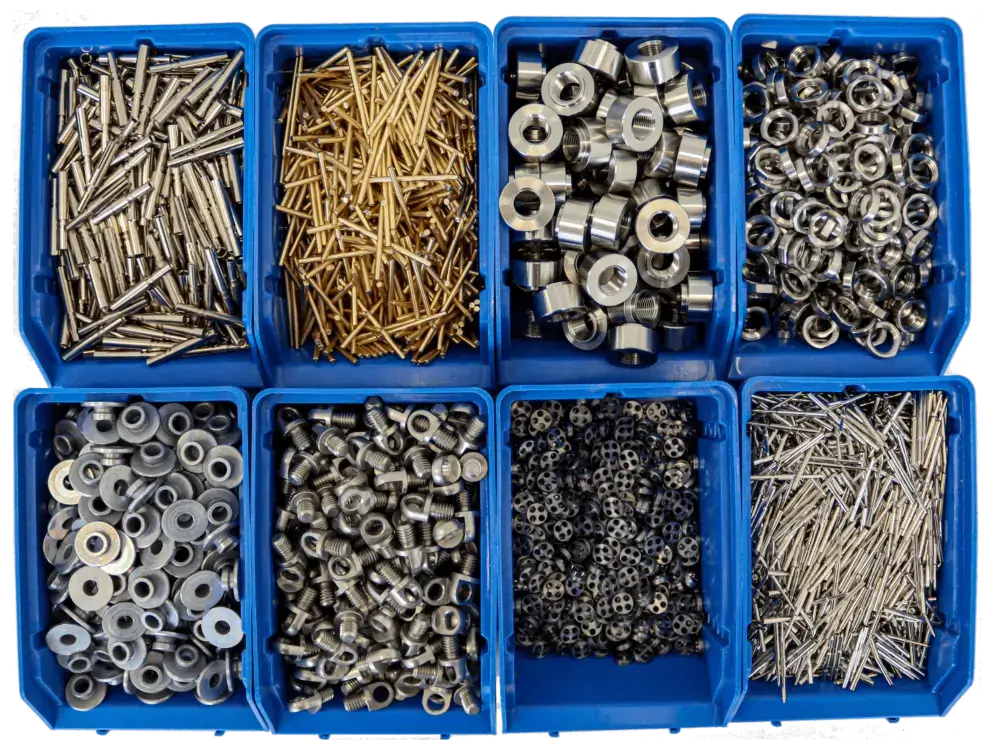
Early 1980s – the first workshop
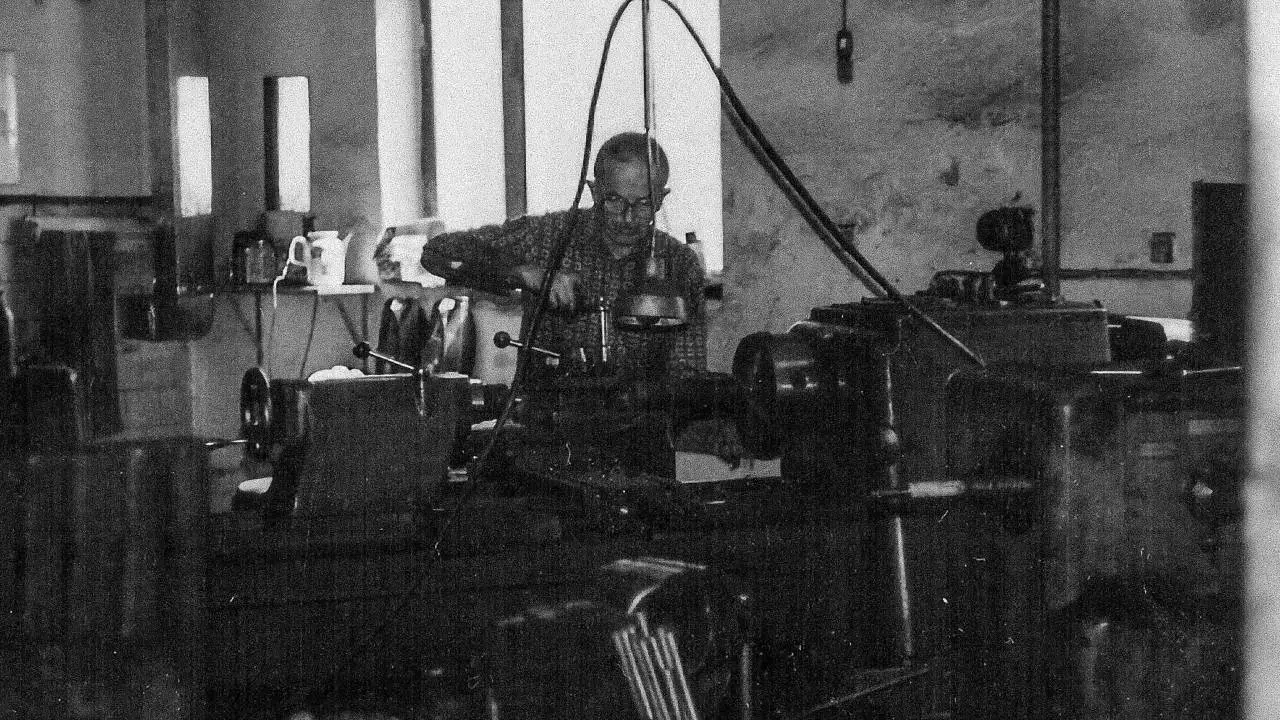
The company’s history began in a small workshop on the family property on Maków Street in Bielsko-Biała. It was there, in a wooden shed, that Kazimierz Paszek started up his first machines and, after hours, performed small metalworking and turning jobs.
At the same time, he gained experience at a large industrial plant, developing his skills in machining and rising to the position of production foreman.
The family’s technical traditions were further strengthened by his wife, Maria – a mechanical engineering technician by training, with professional experience as a milling machine operator and technical draftsman. Her knowledge and understanding of industrial realities became an important part of the foundation on which the family business grew in the years that followed.
Starting Point
The family property on Maków Street in Bielsko-Biała and a small wooden workshop.
The Initial Impulse
Kazimierz Paszek performed small metalworking and turning jobs after hours.
Technical Expertise
Maria Paszek contributed her knowledge as a mechanical engineering technician, milling machine operator, and technical draftsman.
Early 1990s – The Founding of the Family Business
During the era of the Polish People’s Republic, private enterprise was restricted by the socialist system. For this reason, the workshop could only grow on a small scale for many years.
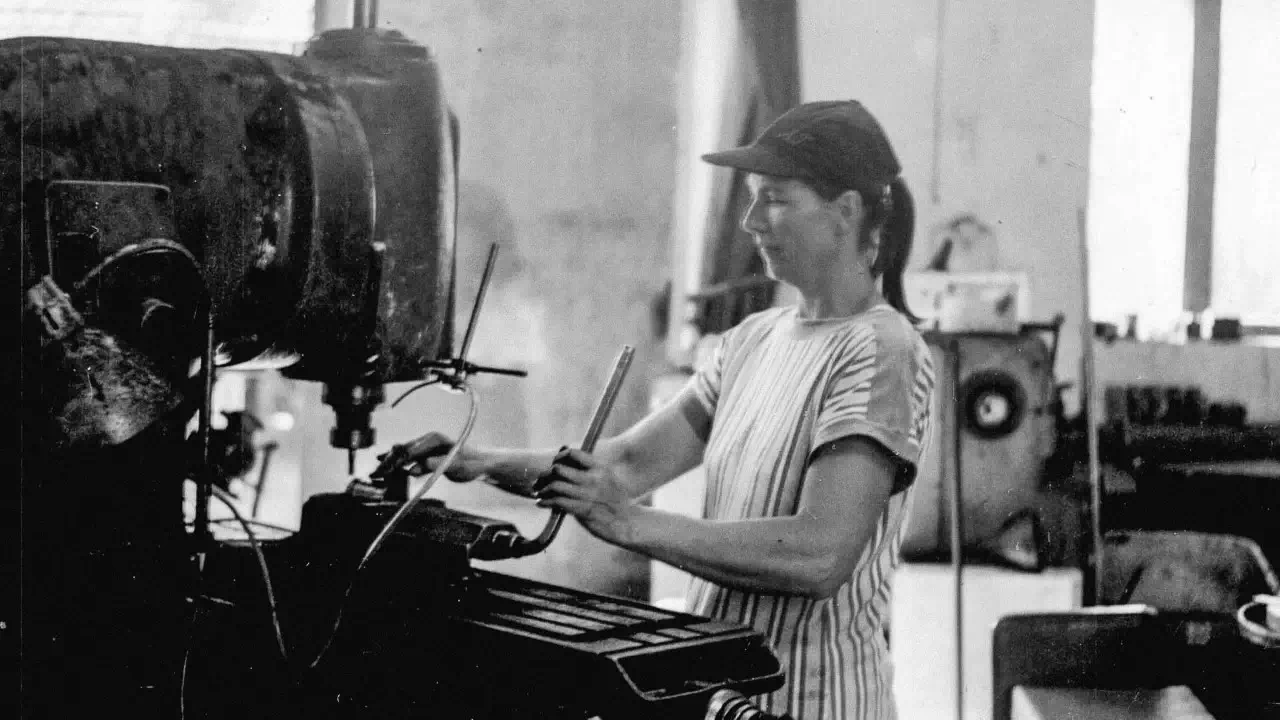
The fall of communism and the transition to a market economy opened up new opportunities for people with a natural entrepreneurial spirit. Kazimierz and Maria formally expanded their business under the name Ślusarstwo-Tokarstwo Maria Paszek.
The company specialized in repairing mechanisms, refurbishing components, and manufacturing parts that were unavailable on the market. One of the first steps toward series production was the launch of brake-cylinder production for Star trucks.
A Changing Environment
The transition to a market economy opens up new opportunities for the development of the family business.
Formalization of the Company
Kazimierz and Maria expand their business under the name Ślusarstwo-Tokarstwo Maria Paszek.
The First Step Toward Series Production
The launch of brake-cylinder production for Star trucks.
2007 – The Second Generation Sets the Course for Growth
In 2007, the founders’ sons – Michał and Piotr – took over responsibility for the company’s further development. The company began operating under the name Nekers.
Michał was responsible for investments, customer relations, and setting the company’s strategic direction. Piotr developed machining technology and the company’s IT infrastructure. One of his most important projects was the creation of a proprietary ERP system.
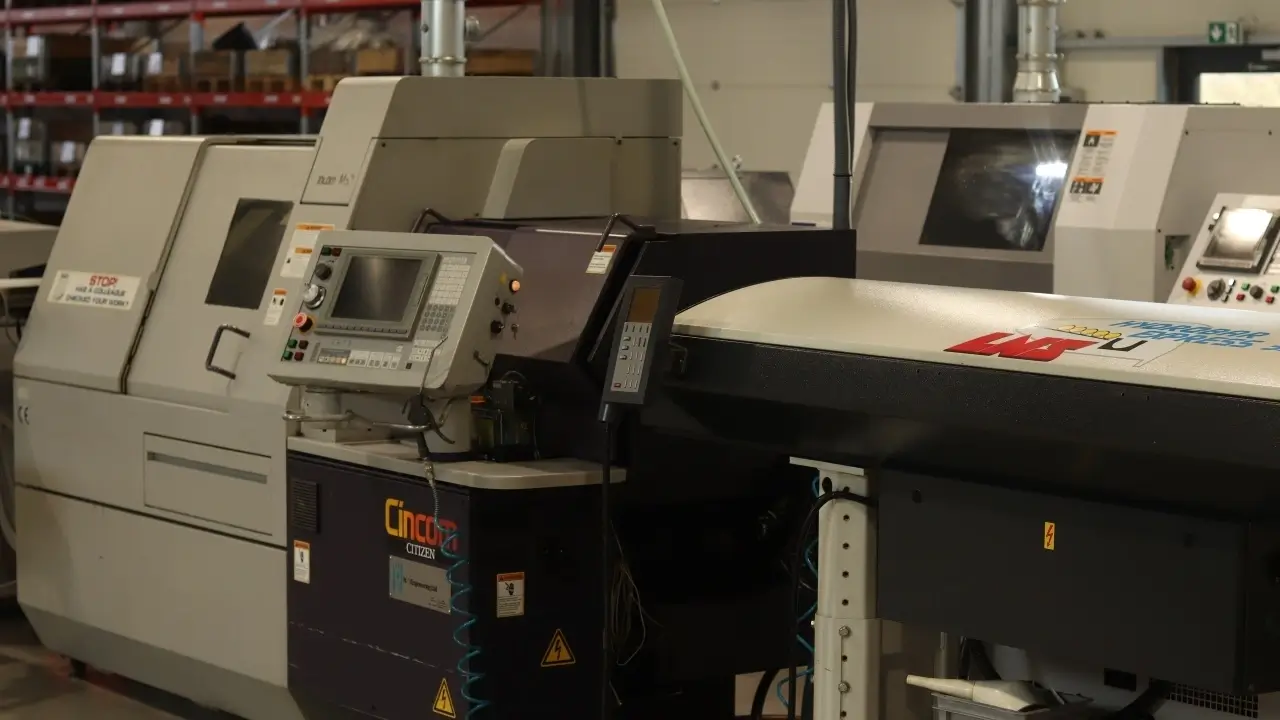
The purchase of the first CNC machine tool marked the beginning of the transformation of a small workshop into a modern manufacturing company.
Second Generation
Michał and Piotr take over responsibility for the company’s further development.
Digitization and Technology
Piotr advances machining technology and the proprietary ERP system.
The Beginning of the CNC Transformation
The purchase of the first numerically controlled machine tool changes the scale of the company’s operations.
2010-2018 – Expansion of Industry Partnerships
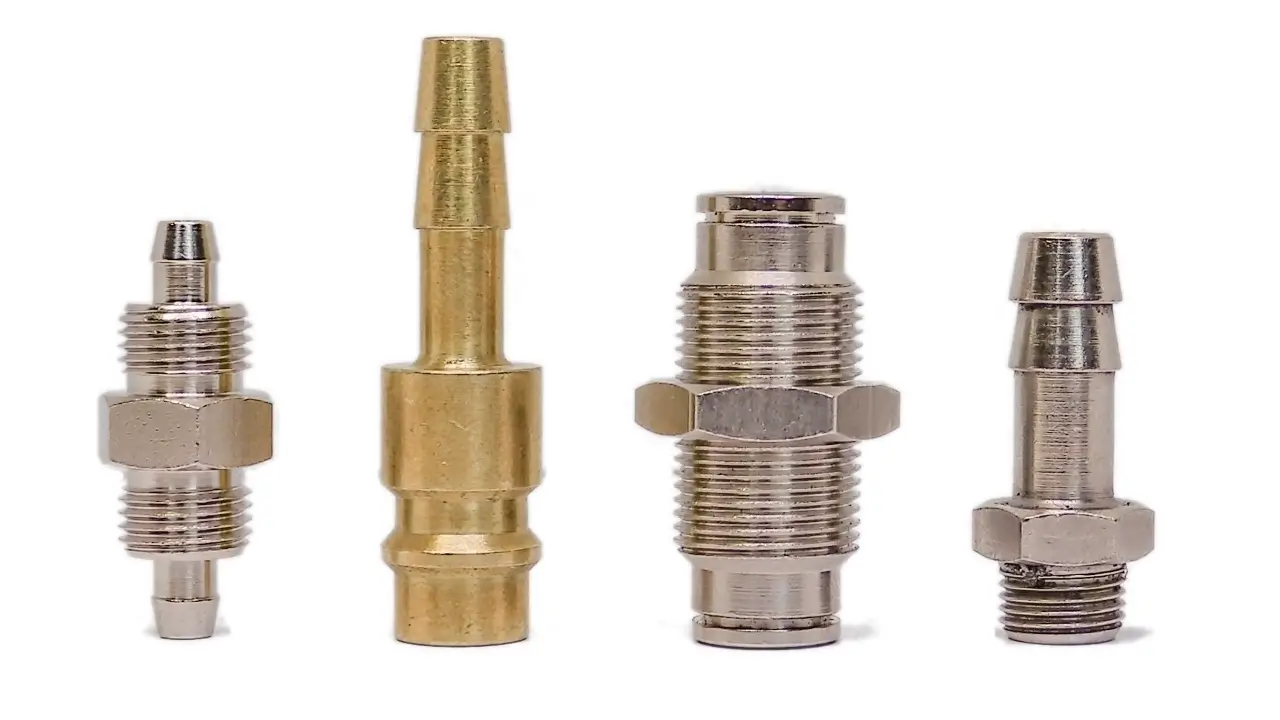
During this period, the company focused on manufacturing tooling and components for the automotive industry and subsequently began series production of railway infrastructure components.
Undertaking increasingly complex projects allowed the company to develop expertise in machining a variety of materials and semi-finished products. Over time, the scope of operations also expanded to include process development, assembly, and the organization of deliveries for complete products.
In 2015, Mateusz Koniarczyk joined the company. He started in a support role in administration and accounting, and then gradually assumed responsibility for finance, corporate organization, IT systems, and operational processes. The evolution of his role ultimately led to his appointment to the company’s board of directors.
New Sectors
Expansion of cooperation with the automotive industry, followed by the rail industry.
Broader Scope of Competencies
Development of technology, assembly, and the organization of deliveries of complete products.
Operational Strengthening
Mateusz Koniarczyk joins the company and takes on additional management responsibilities.
2018-2022 – The SABNER Brand and Construction of a New Headquarters
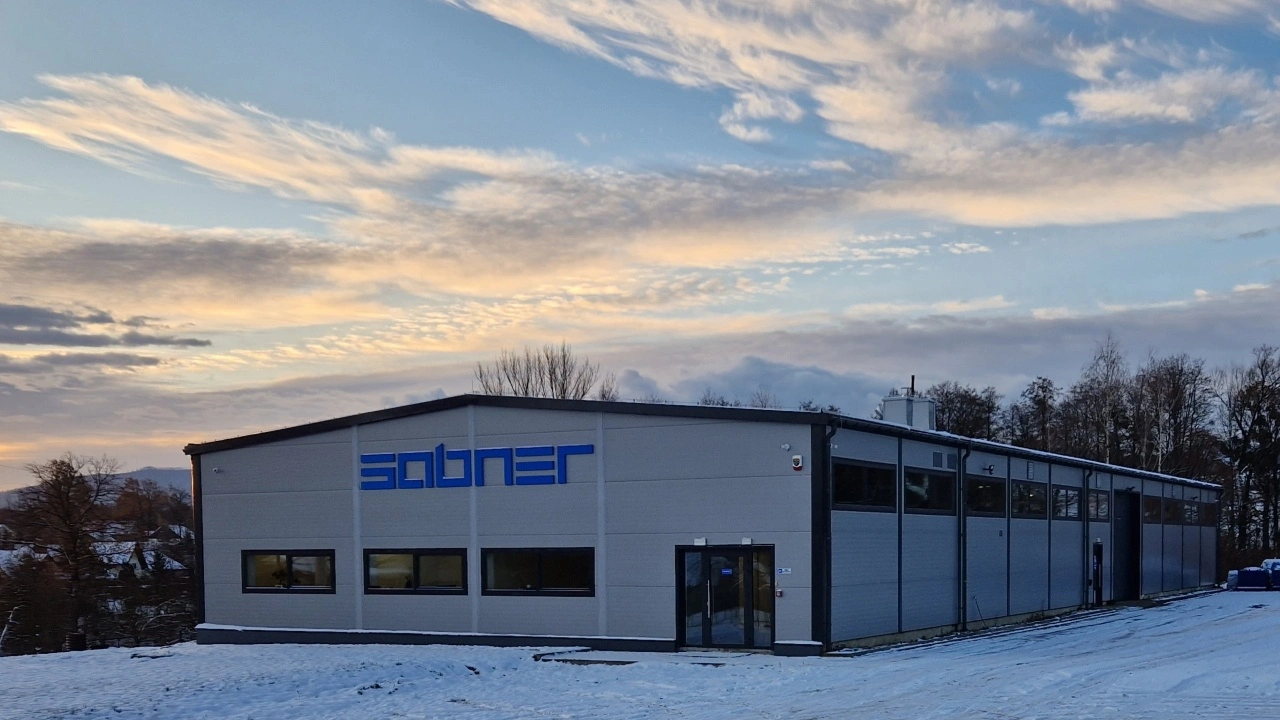
In 2018, the company began implementing a quality management system compliant with ISO 9001 and decided to launch the SABNER brand.
The growing scale of operations exceeded the capacity of the family-run facility on Maków Street. In 2019, construction began on the company’s own plant in Międzyrzecze Górne.
Despite the challenges posed by the COVID-19 pandemic, the project was completed. In early 2022, production, technology, quality control, administration, and logistics were consolidated into a single, modern facility.
In December 2022, the business was reorganized as SABNER Sp. z o.o.
Quality and Brand
Implementation of a quality management system compliant with ISO 9001 and the creation of the SABNER brand.
New Headquarters
In 2019, construction began on the company’s own facility in Międzyrzecze Górne.
Organizational Consolidation
By 2022, production, technology, quality, administration, and logistics were all operating from a single location.
2023 – A Strategic Shift Toward Micromachining
In 2023, the company made the difficult but crucial decision to end a phase lasting more than a decade that had been based on general-purpose CNC machining and the production of large components for the railway industry. The separated business segment was sold together with the machinery and technology used in it.
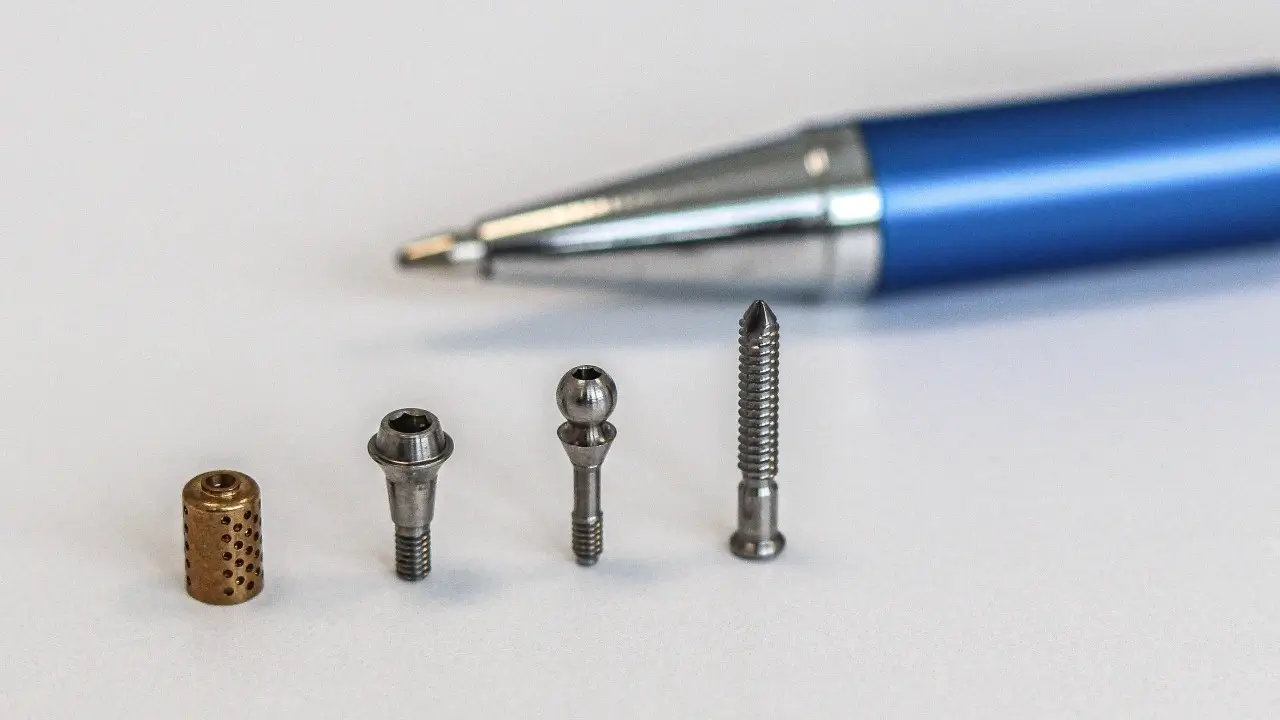
This was a deliberate move that allowed the company to focus its accumulated engineering expertise on the most demanding series-production projects. Instead of maintaining a broad range of technologies, the company began building a specialization in the micromachining of increasingly smaller and more precise components.
Strategic Decision
Ending the phase of general-purpose CNC machining and large components for the railway industry.
Concentration of Resources
Sale of the separated segment together with its technology and machinery.
New Specialization
Focus on micromachining increasingly smaller and more precise components.
Today – Precision Engineering for Customers Worldwide
Today’s SABNER is the result of over four decades of experience in metal machining and the consistent development of engineering expertise. Every stage of our journey has involved investing in new technologies, deepening our knowledge, analyzing results, and systematically improving processes. This culture of continuous learning allows us to increase the precision, efficiency, and repeatability of our production.
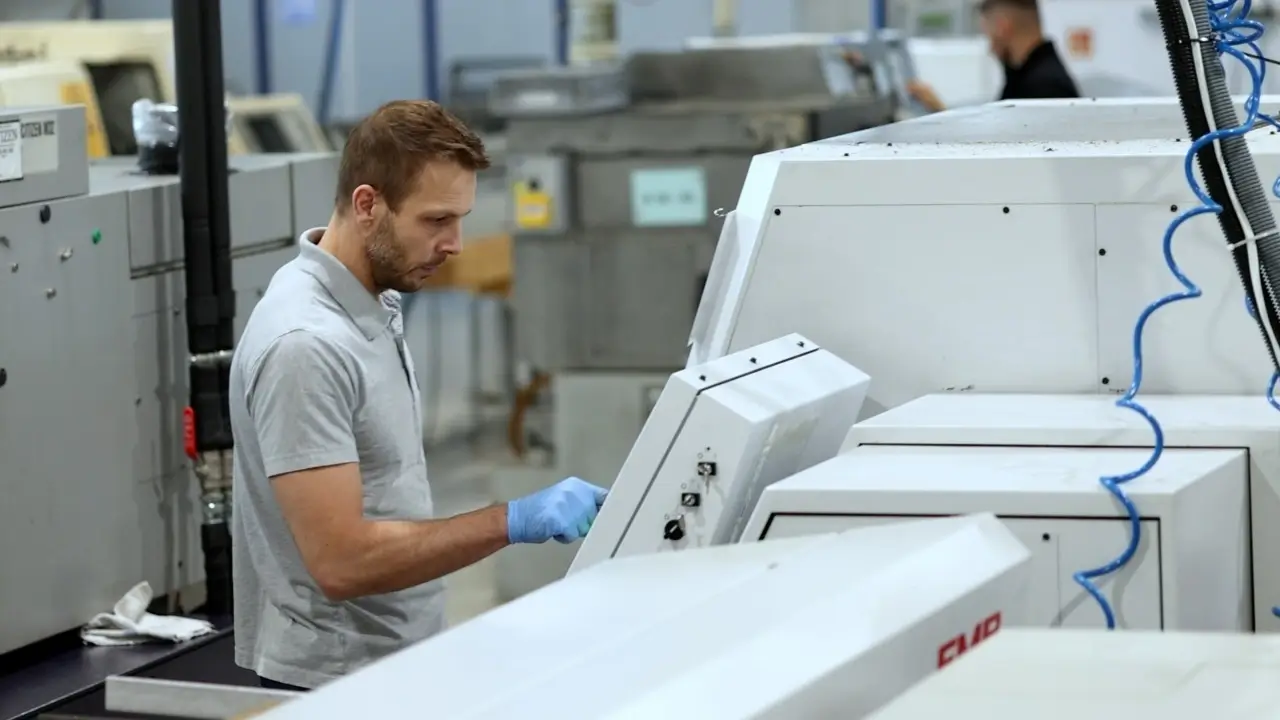
We use modern CNC automatic lathes, advanced measurement systems, automation, and our own AI-supported IT solutions. This enables us to run stable, efficient, and fully traceable manufacturing processes.
We adhere to standards and procedures that meet the requirements of customers in the medical, aerospace, and automotive industries, for whom the quality of each component directly impacts the reliability of the entire product.
SABNER grew out of a passion for engineering, mechanics, and technology. That is why it gives us particular satisfaction to know that we can support customers from around the world in realizing their most demanding projects. All of this is possible here in Poland, thanks to the knowledge and dedication of our team and the engineering culture developed over successive generations.
Technology
Modern CNC automatic lathes, advanced measurement systems, and automation.
Systems and Data
Proprietary AI-supported IT solutions and fully traceable processes.
Customer Profile
Demanding projects for the medical, aerospace, and automotive industries.
Our business remains grounded in the same values that started it all: technical expertise, responsibility, and continuous process improvement.