Physics of metals
Physics of metals Although metals have been the basis of human civilization for centuries, it was only with the development of physics that we came…

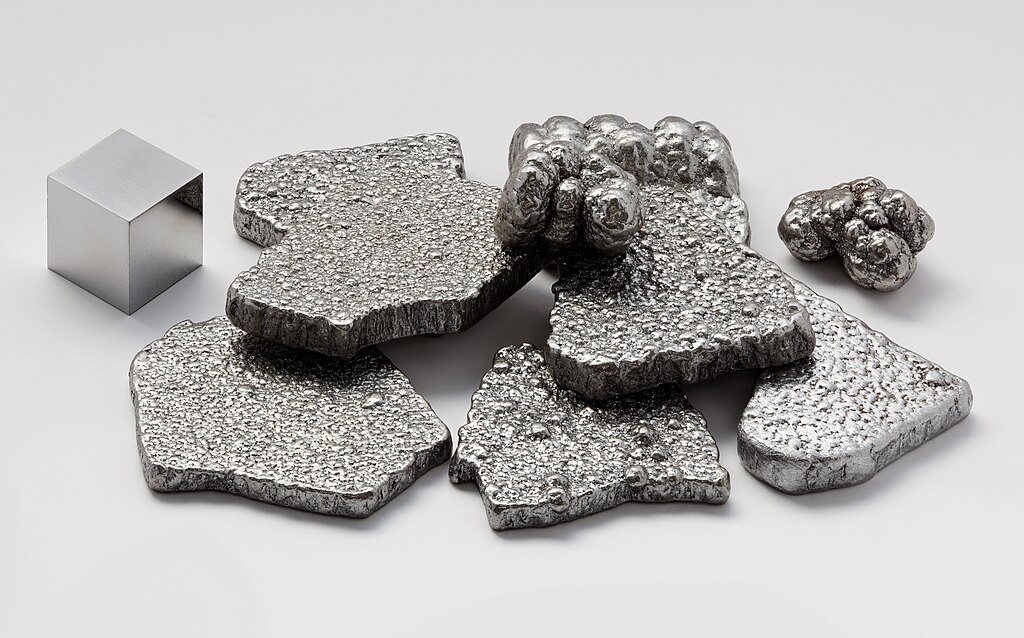
Physics of metals Although metals have been the basis of human civilization for centuries, it was only with the development of physics that we came…
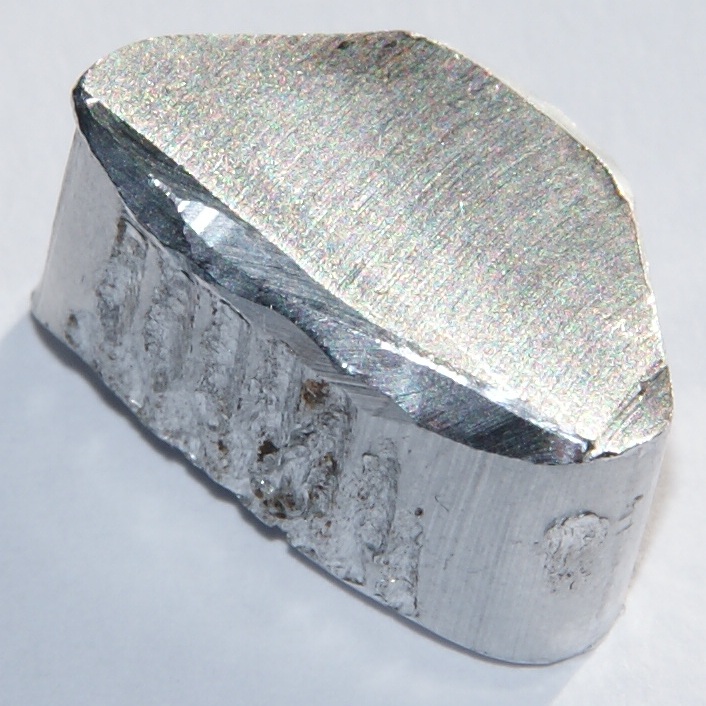
Aluminum and its alloys Characteristics of aluminum as a structural metal Aluminum is one of the most widely used metals in industry, and its importance…
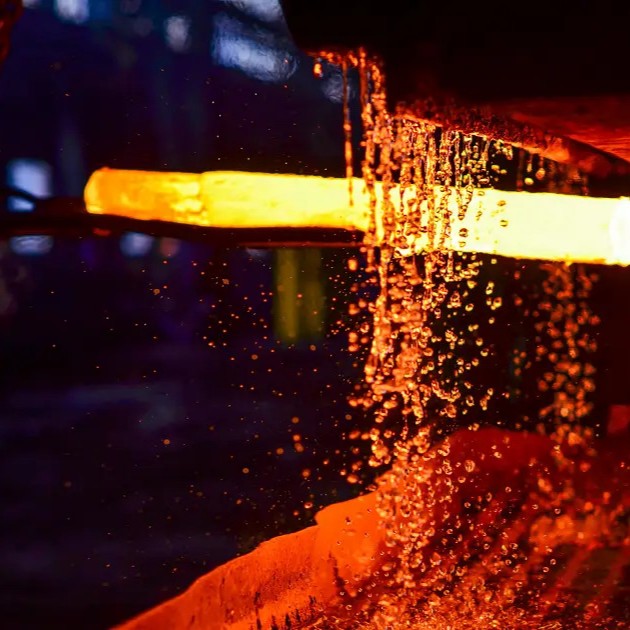
Heat treatment of metals Controlled material transformation In the world of materials engineering, it is not only the type of metal used to manufacture a…
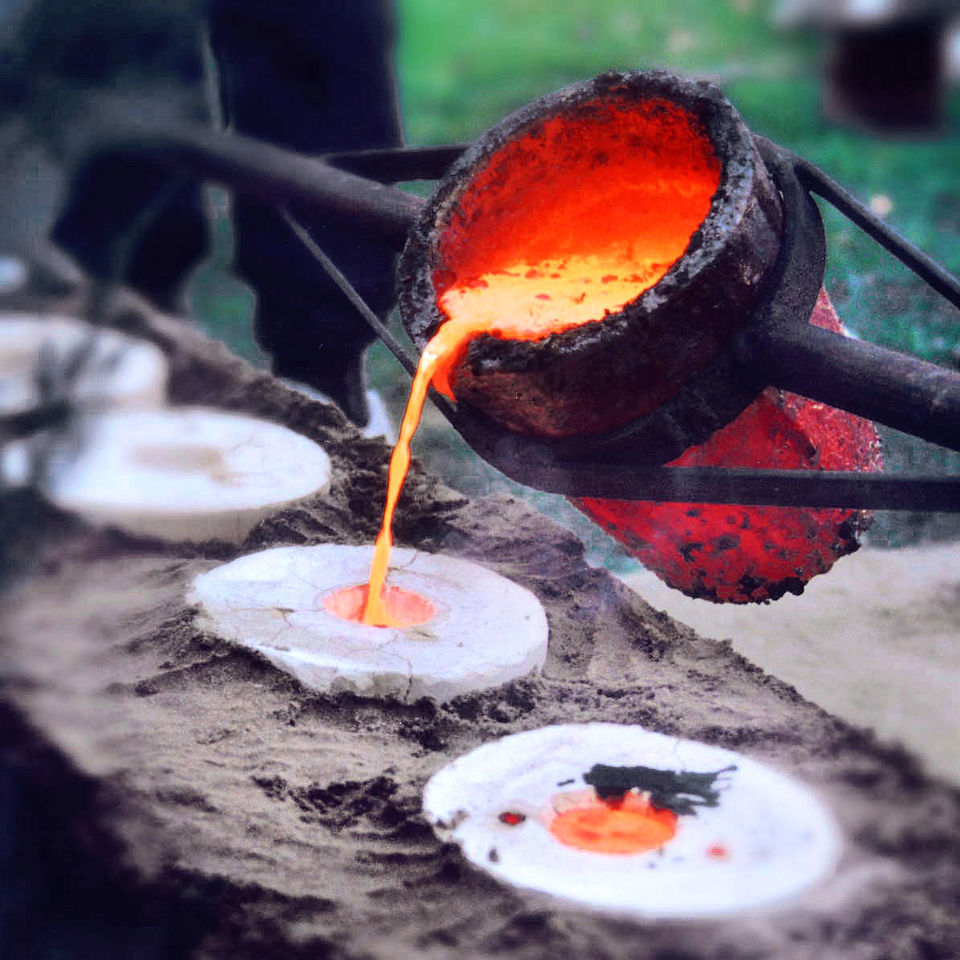
Structure and properties of metal alloys Why are pure metals not enough Although pure metals have their unique properties, in technical practice, they are rarely…

Methods of testing material structure Although metals and their alloys are the foundation of modern technology, their properties do not result solely from their chemical…
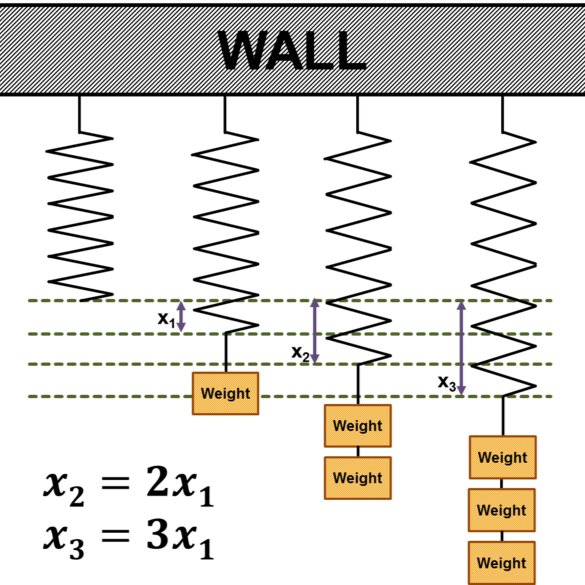
Plastic deformation Plastic deformation and the subsequent recrystallization are two fundamental physical phenomena that determine the structure and properties of metals and their alloys. These…
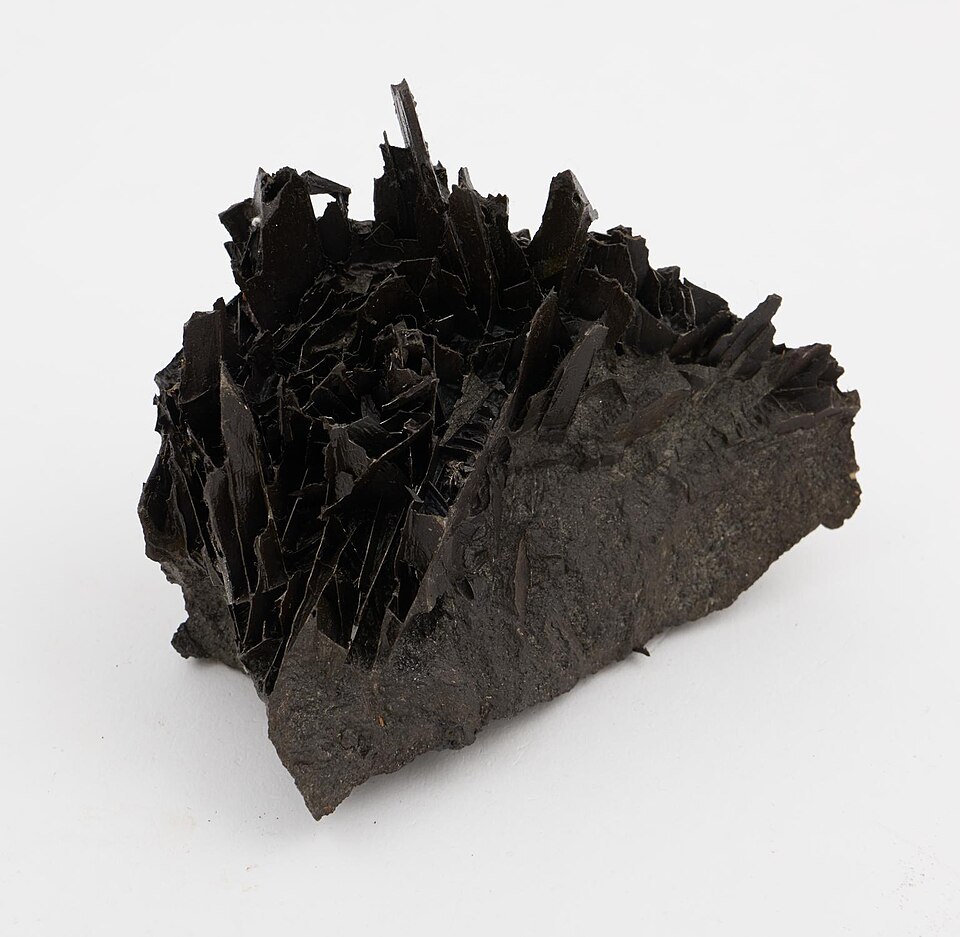
Iron-carbon phase diagram Iron and its alloys form the basis of modern materials engineering. They are used to make load-bearing structures, tools, machines, and elements…
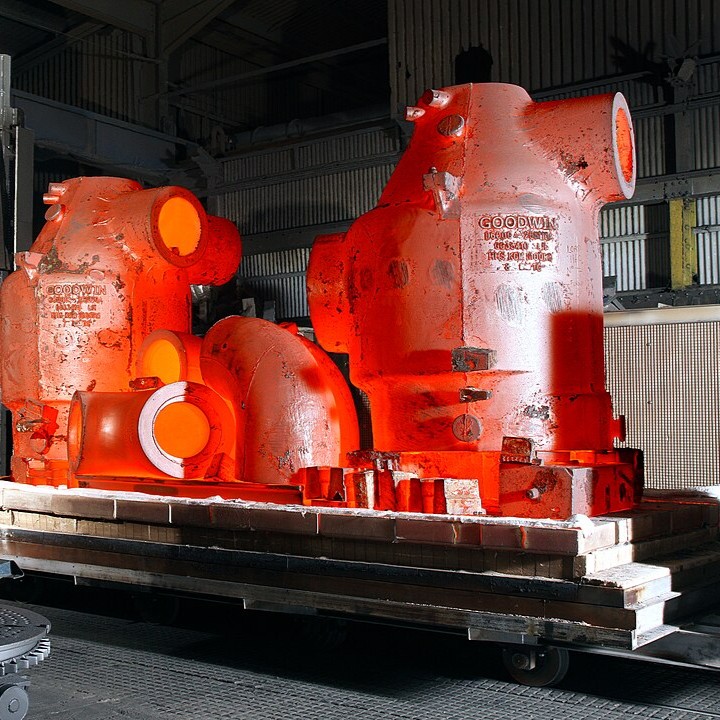
Thermal and chemical treatment of metals Modern engineering structures require materials with high surface strength, high resistance to abrasion, fatigue, and chemical agents, while maintaining…
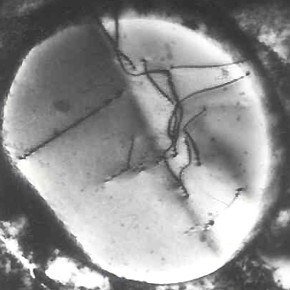
Deformation and recrystallization of metals Metals, as materials with a crystalline structure, can permanently change shape under the influence of external forces. This phenomenon, known…
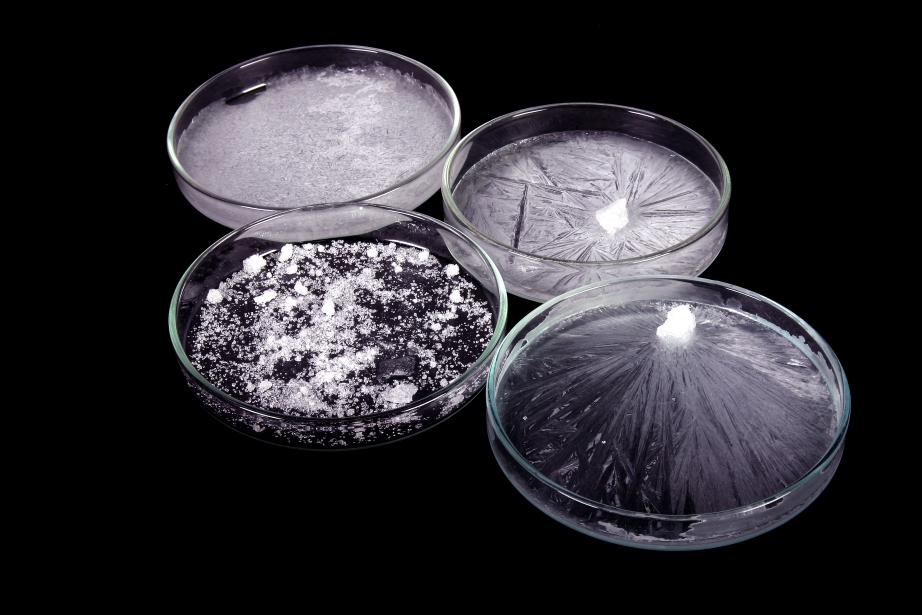
What is metal crystallization? Crystallization is one of the fundamental physicochemical phenomena that occurs in metals, playing a crucial role in both their production and…