Why is the surface of an implant so important?
Why is the surface of an implant so important? In biomaterials engineering, it’s easy to fall back on the intuition derived from traditional materials science:…

Materials and tools – Delving into the diverse materials used in machining and the specialized tools that shape them.
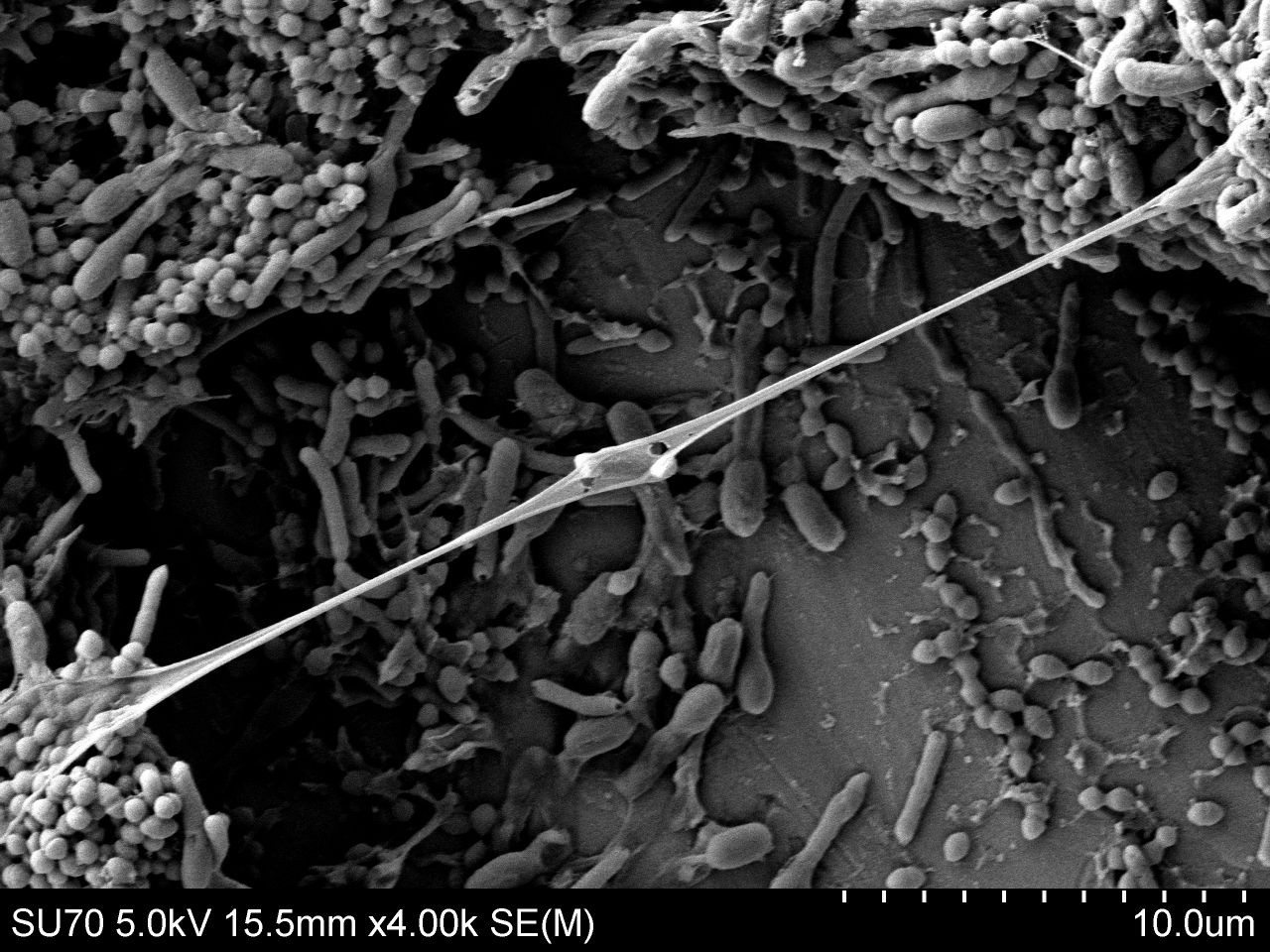
Why is the surface of an implant so important? In biomaterials engineering, it’s easy to fall back on the intuition derived from traditional materials science:…

Why Does Metal Break? An Introduction to Failure Analysis A crack in a metal component is almost never merely a sign of damage. For an…

Sintered products Powder metallurgy is a method of producing machine parts and tools by sintering metal powders in a solid state, and the resulting components…
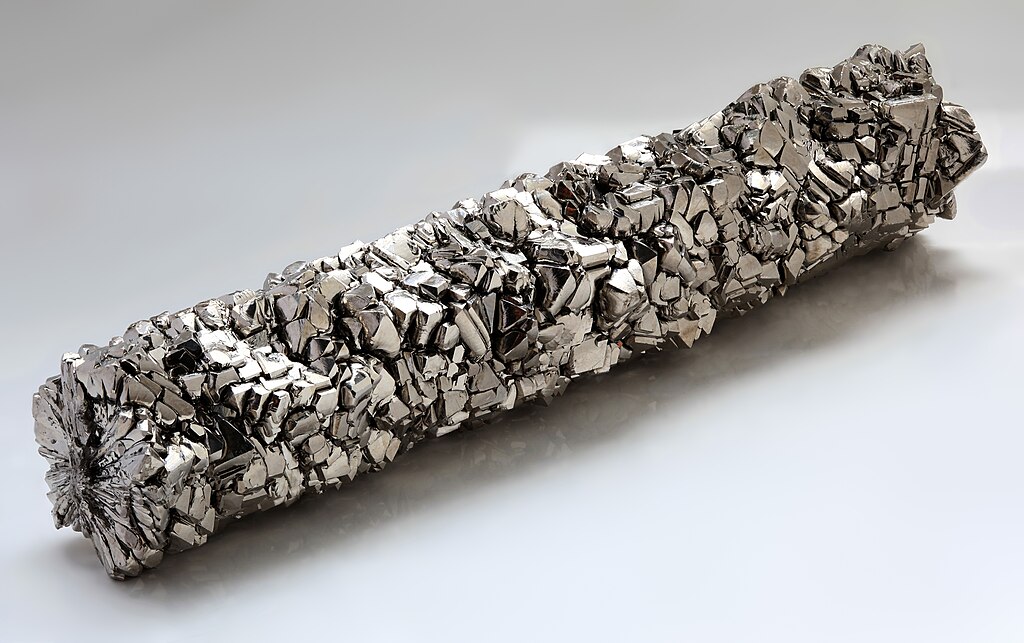
Other non-ferrous metal alloys Although materials science most often refers to steels and alloys of aluminum and copper, many key technical applications are based on…

Magnesium and its alloys Magnesium is a silvery-grey metal and, most importantly from an engineering point of view, has the lowest specific weight of any…
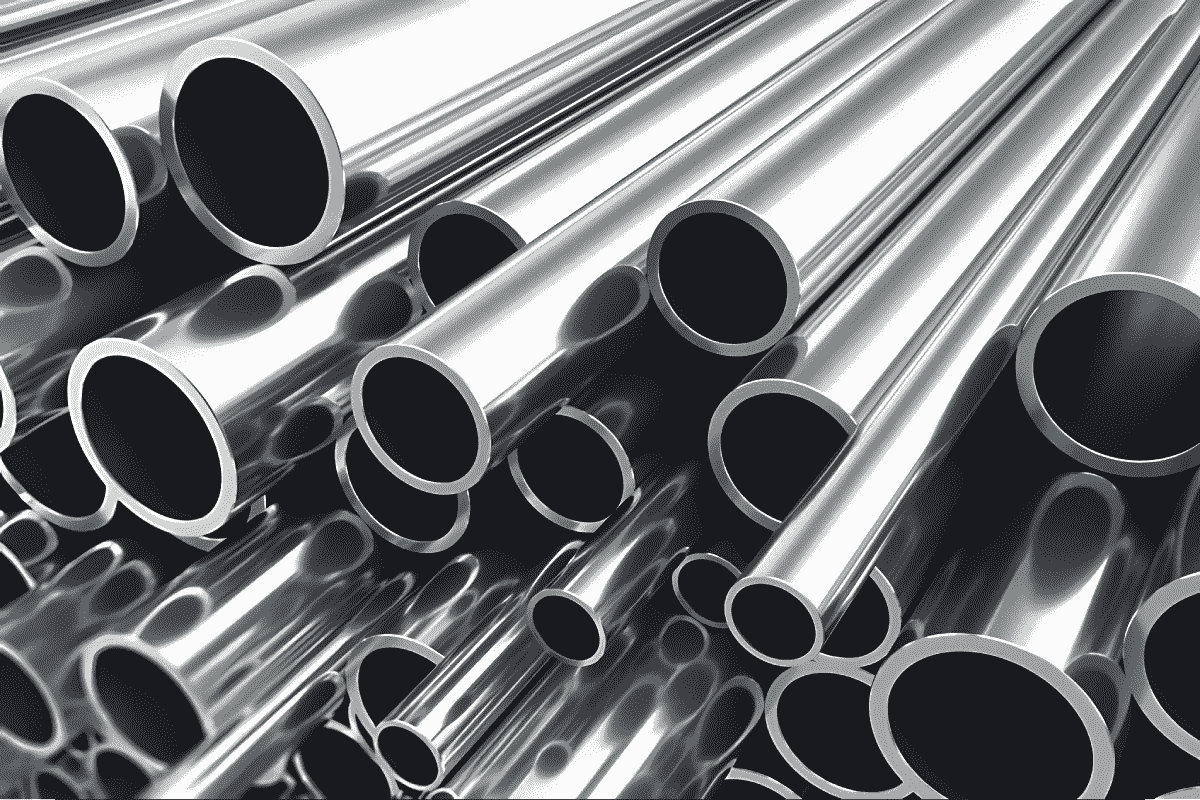
Steels and alloys with special properties Steels and alloys with special properties are designed when the durability of a component is no longer determined solely…
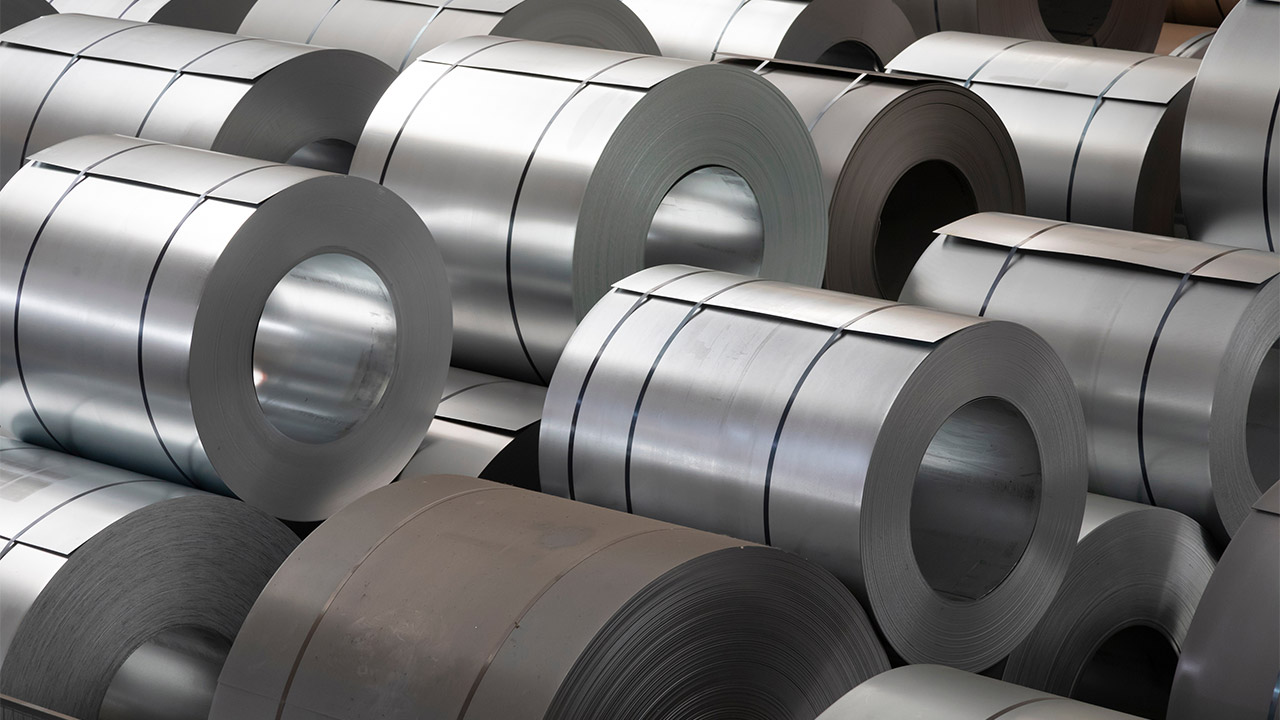
Structural alloy steels Structural alloy steels are steels intended for machine and equipment components that operate in conditions considered typical for structural mechanics, i.e., at…
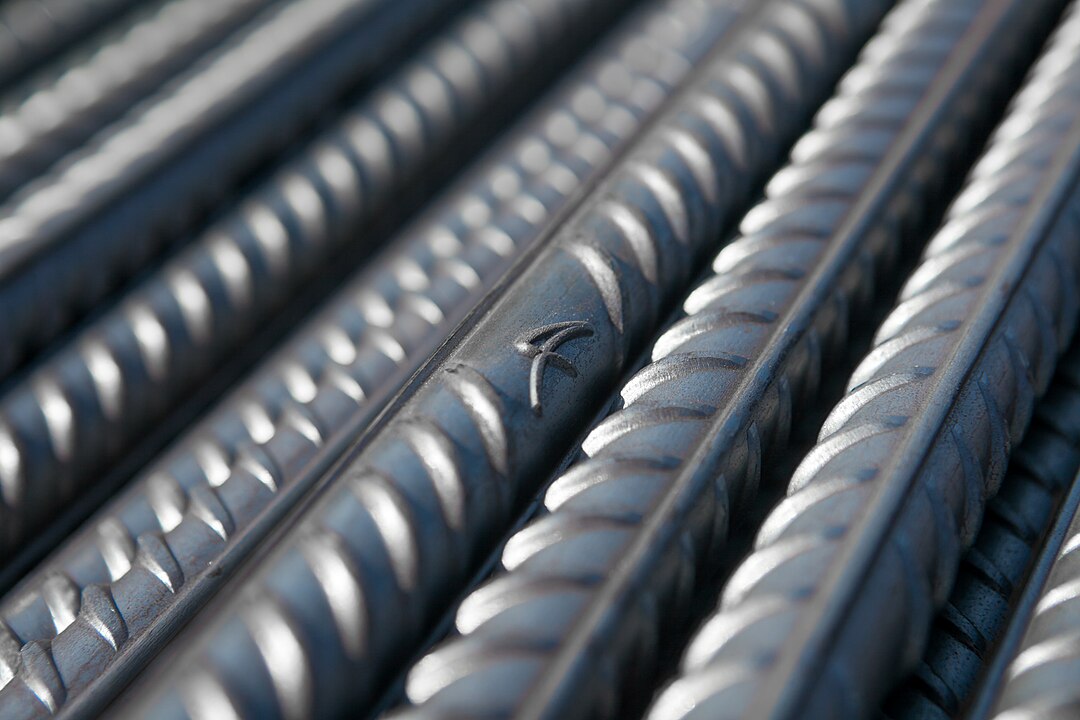
Alloying elements in iron-carbon alloys Carbon steel can achieve a very wide range of properties through heat treatment, but in many applications this is still…

Phase equilibrium systems of alloys In pure metals, the course of transformations is usually easy to grasp: melting and solidification occur at a single, precisely…

Polymer biomaterials Synthetic polymers have become one of the most important groups of biomaterials today, alongside metals and ceramics. In medicine, they are used in…