Basics of heat treatment of steel and cast iron
Basics of heat treatment of steel and cast iron Heat treatment is a set of activities aimed at changing the structure of an alloy in…

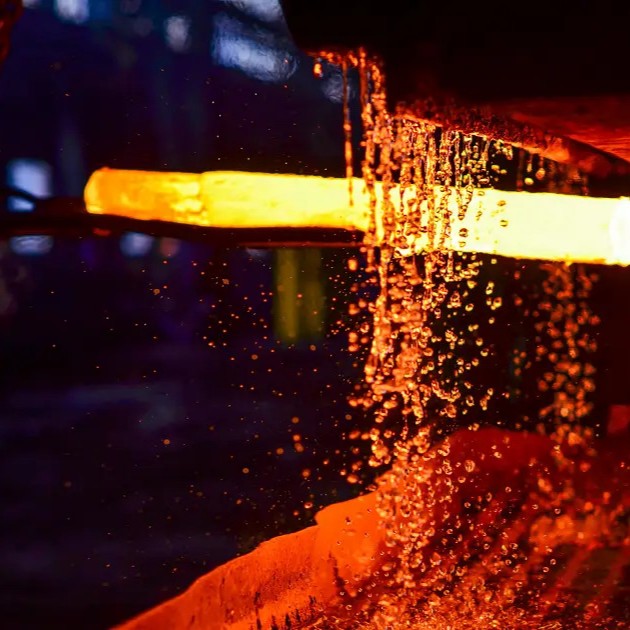
Basics of heat treatment of steel and cast iron Heat treatment is a set of activities aimed at changing the structure of an alloy in…
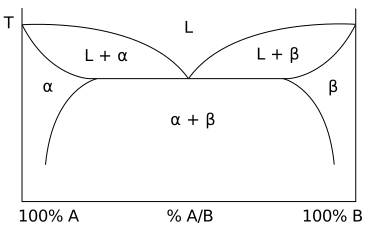
Phase equilibrium systems of alloys In pure metals, the course of transformations is usually easy to grasp: melting and solidification occur at a single, precisely…

Polymer biomaterials Synthetic polymers have become one of the most important groups of biomaterials today, alongside metals and ceramics. In medicine, they are used in…
Metallic biomaterials Metals play a completely different role in biomedical engineering than ceramics or polymers. They are distinguished primarily by their excellent mechanical properties and…
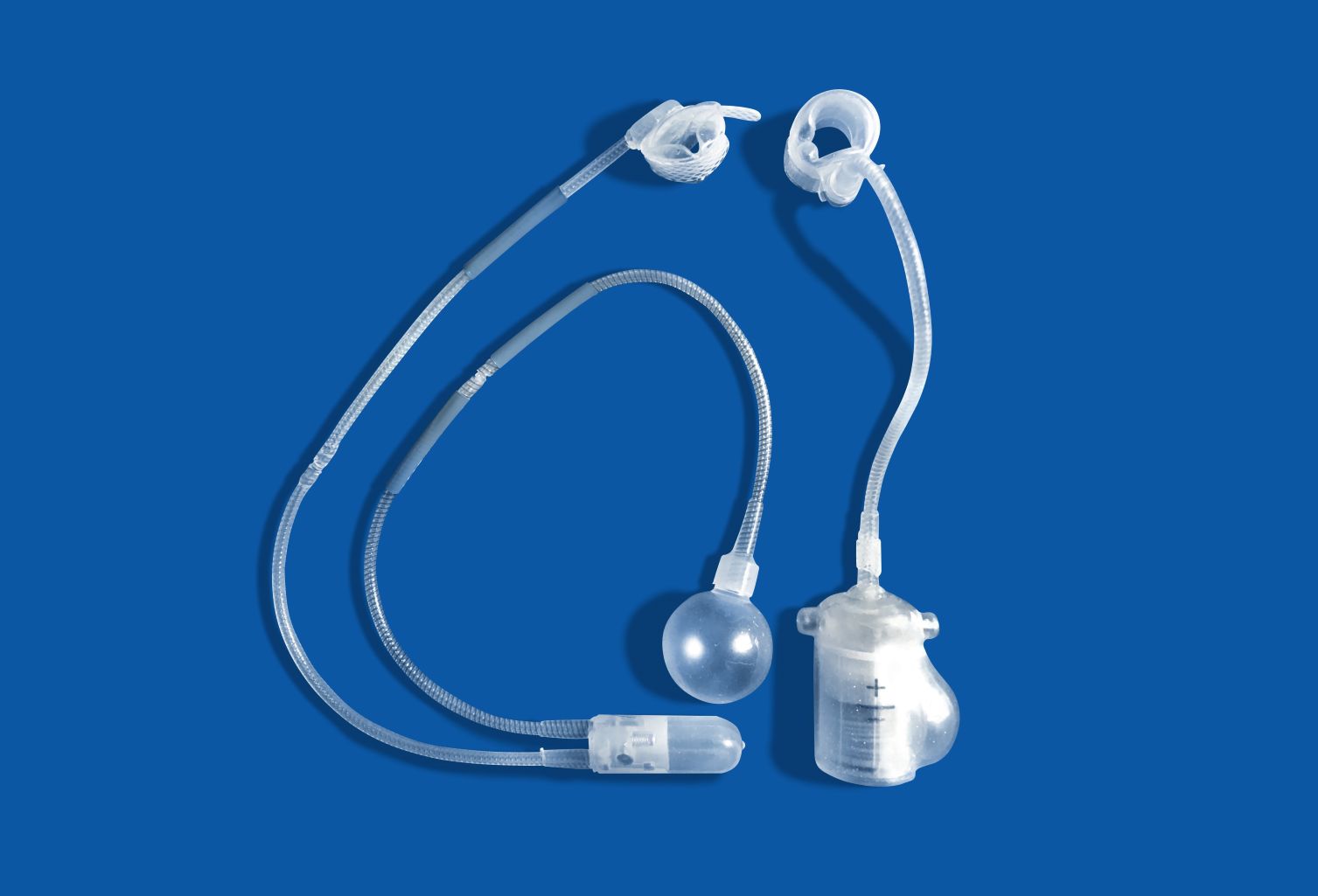
Ceramics as a biomedical material Ceramics are commonly associated with porcelain, glass, or architectural elements. In biomedical engineering, however, the term has a much broader…
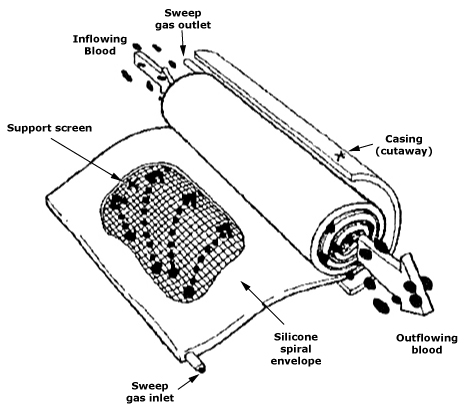
Data analysis and validation in biomedical engineering Modern biomedical engineering increasingly relies on integrated measurement and interpretation chains, in which sensors, acquisition channels, processing algorithms,…

Biomedical engineering in the context of materials science Biomedical engineering today is a vast ecosystem of knowledge, where materials science, fluid mechanics and transport phenomena,…
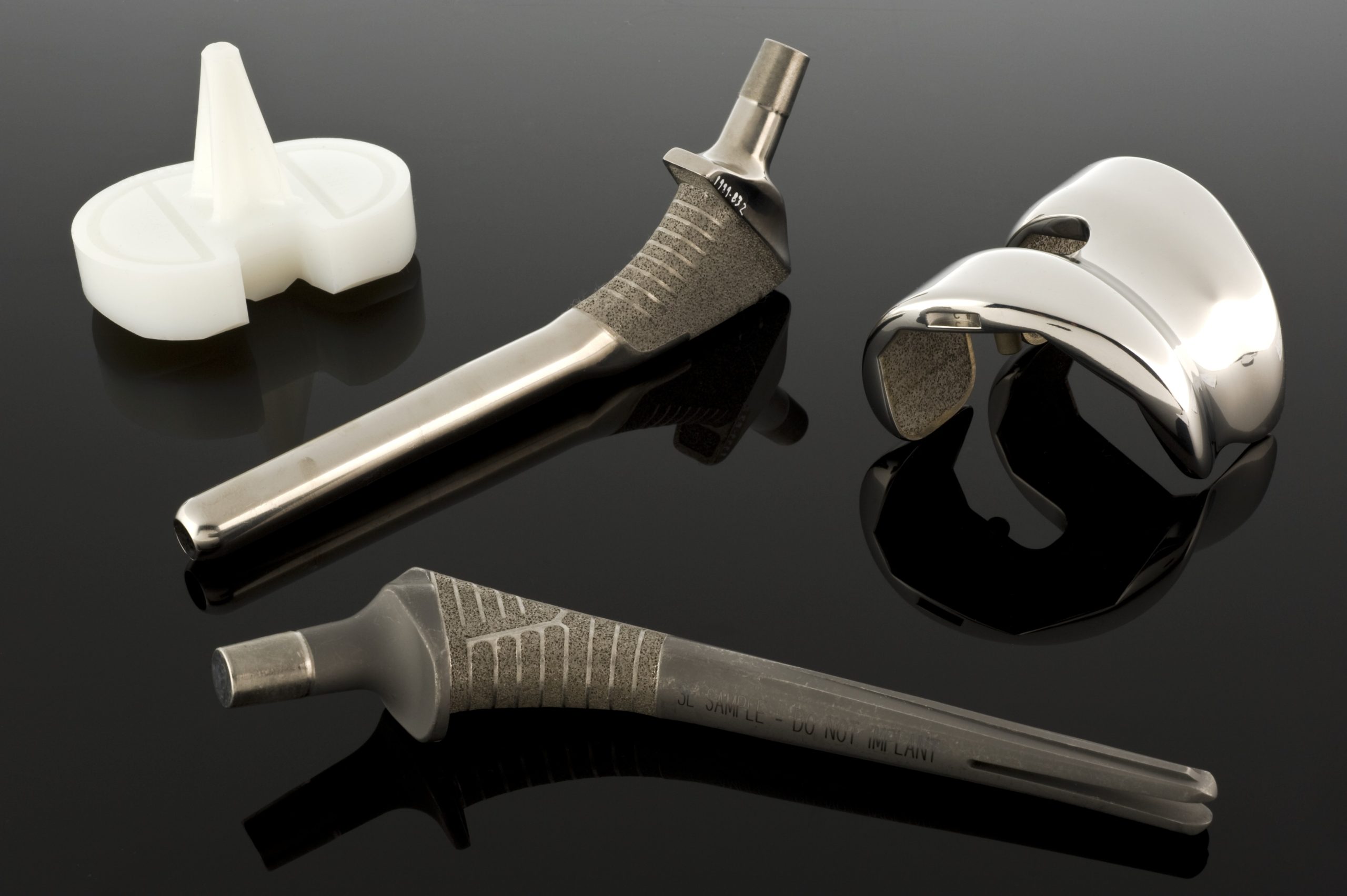
Biomaterials in medicine and dentistry Biomaterials are the backbone of modern reconstructive medicine and dentistry. Their applications range from heart valves and joint endoprostheses to…
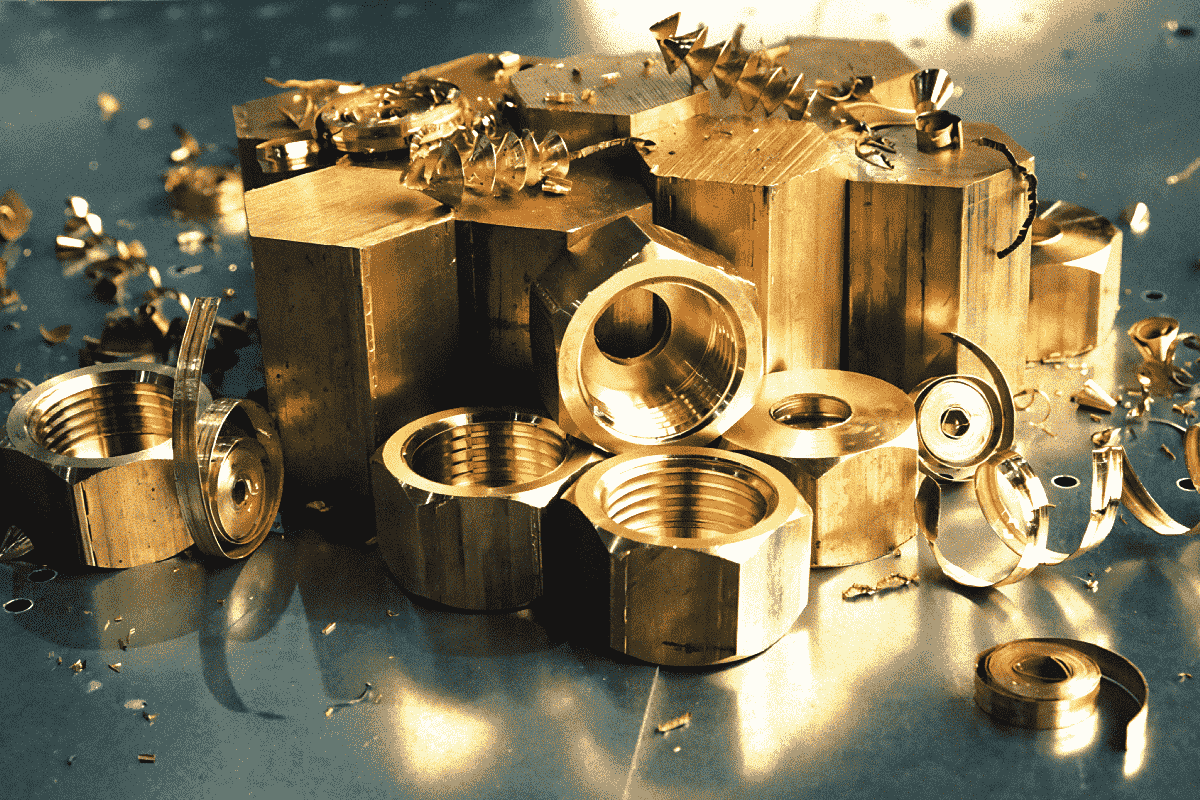
Copper and its alloys Among non-ferrous metals, copper occupies a special position, both in terms of its physicochemical properties and the breadth of its industrial…
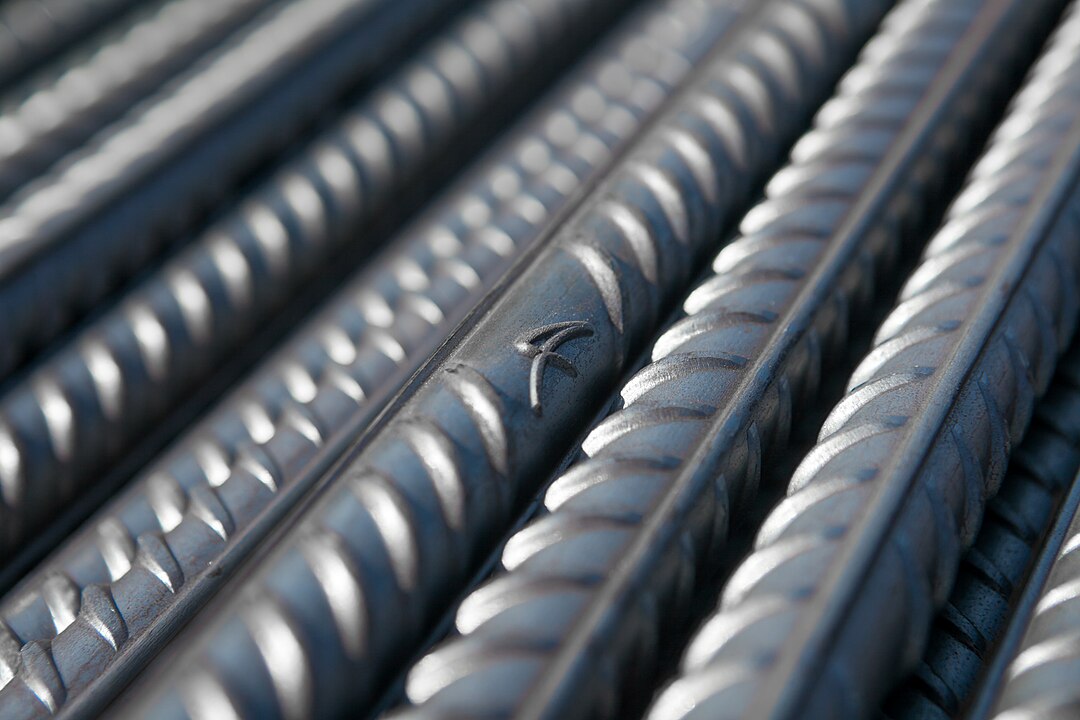
Tool steels and alloys Tool steels are materials specially adapted for the production of tools used in machining, plastic working, and measurement. Their task is…